Audience(s): Tribes, non-tribal government partners, NGO partners
Tribal Stewardship Policy Priorities: Access, Collaboration; Caring for the Land, Traditional Ecological Knowledge; Navigating State Agencies
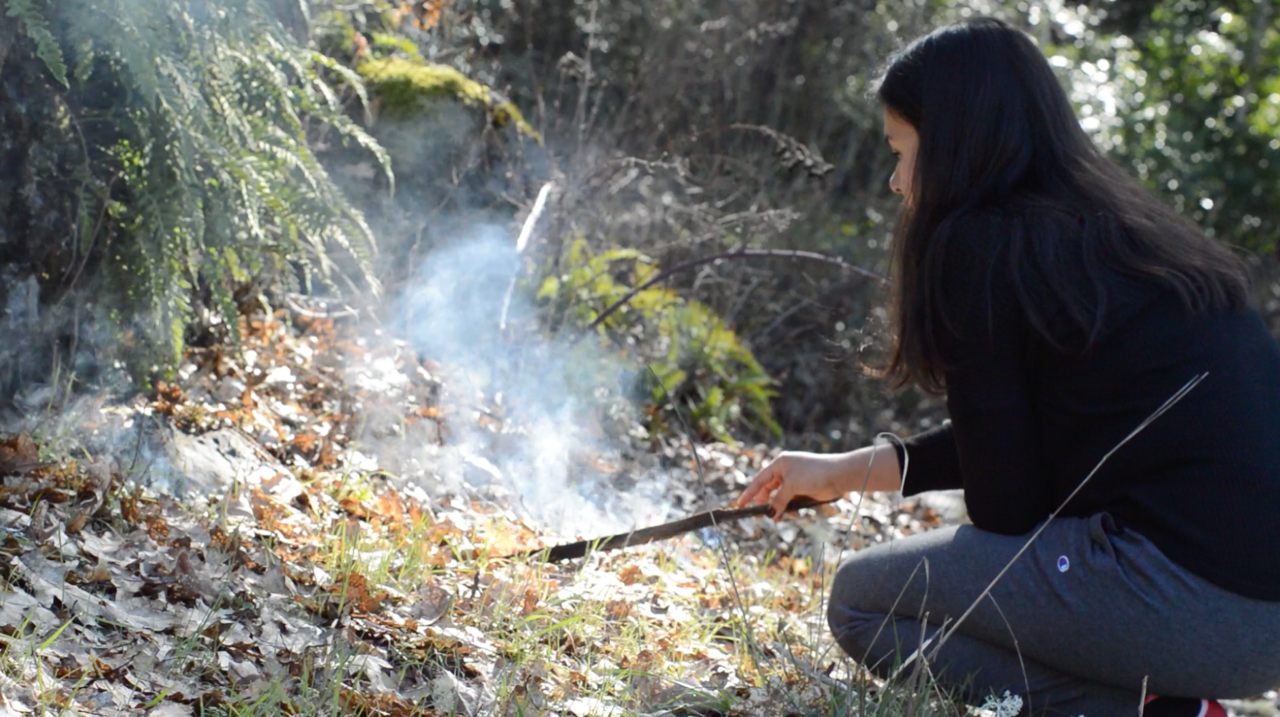
Objectives: This toolkit entry supports the implementation of Cultural Burn Agreements under Senate Bill 310, passed in 2024, for California Native American tribes.
This toolkit entry was developed to support the implementation of California Natural Resources Agency’s Tribal Stewardship Policy and Toolkit. These tools are intended to increase the capacity of tribes, state agencies, and non-tribal entities to advance tribal stewardship, including tribal access, collaboration, and ancestral land return according to the CNRA Tribal Stewardship Policy.
Senate Bill 310 was authored by Senator Dodd and signed by Governor Newsom in September 2024. This law reaffirms California’s commitment to addressing historical wrongs and partnering with federally recognized California Native American tribes to advance beneficial fire as a critical tool to meet fuel management and wildfire resilience goals of the state. This law further authorizes the Secretary for the California Natural Resources Agency and local air districts to enter into cultural burn agreements in lieu of certain permits.
This toolkit entry is intended to provide resources to support the implementation of Cultural Burn Agreements under Senate Bill 310. View an introductory webinar overviewing Senate Bill 310 (Dodd 2024), which granted authority to the California Natural Resources Agency and local air districts to enter into cultural fire agreements with federally recognized tribes to honor tribal sovereignty, to heal from the historical wrong of criminalizing tribal cultural burning practices, and to expand the use of beneficial fire to strengthen California’s resilience to wildfire and climate change. You will also find recordings from the April 2025 Advancing Cultural Fire Workshop hosted by CNRA (see the agenda here), where you can hear from tribal and state fire practitioners. In the Tools and Resources sections, find information on the Liability Claims Fund, an SB 310 FAQ, and other tools to advance and implement cultural fire.
If you have any questions or if your Tribe is interested in entering into a Cultural Burn Agreement with CNRA, please email us at tribalaffairs@resources.ca.gov.
Webinar: Cultural Fire Agreements Senate Bill 310 (April 2025)
Advancing Cultural Fire Workshop Recordings
- Advancing Cultural Fire Workshop: Introduction to Cultural Fire:
- Advancing Cultural Fire Workshop: What is SB 310?
- Advancing Cultural Fire Workshop: Roundtable Discussion on Advancing Cultural Fire
Tools
- Frequently Asked Questions: Cultural Burn Agreements—Senate Bill 310
- Template: SB 310 Cultural Burn Agreement
- California Wildfire & Forest Resilience Task Force is a collaborative effort to align the activities of federal, state, local, public, private and tribal organizations to support programs and projects tailored to the unique priorities and risks of each region. It brings the best available science to landscape management and community protection efforts, along with invaluable tools and resources for tracking progress and documenting effectiveness.
- Check out the Beneficial Fire Working Group for more information, strategic plan, and resources on beneficial fire.
- California Prescribed Burn Associations Cal PBA – Check out their “Planning a Burn” and “Resources” page for webinars, templates, guidance documents, and other helpful toolkit resources for prescribed burning.
- Workbook to Create a Cultural Burn Pathway — Indigenous Leadership Initiative
Liability and Claims Fund
- Prescribed Fire Liability Claims Fund Pilot - California Wildfire & Forest Resilience
- Prescribed Fire Claims Fund - Main Application Frequently Asked Questions: CAL FIRE - Prescribed Fire Liability Claims Funds
- Liability Documents -- California PBA
- Webinar: Overview of Prescribed Fire Liability in State Law by the Fire Learning Network
- Bill Text - SB-332 Civil Liability: prescribed burning operations: gross negligence
Resources
- Video | Three Burns - The 2025 Butler Wildfire | By Karuk Intergenerational Media
- This video details how local organizations with the All Hands All Lands program, including participants in the Klamath Prescribed Fire Training Exchange and a Karuk Cultural Fire Practitioner, coordinated to implement successful prescribed and cultural fire around homes three days before the wildfire reached the Butler Creek neighborhood.
- Prescribed Fire | CAL FIRE - Learn more about CAL FIRE’s resources regarding prescribed fire.
-
Char Miller, Burn Scars: A Documentary History of Fire Suppression, from Colonial Origins to Resurgence of Cultural Burning, Oregon State University Press (2024).
- A collection of primary sources focused on debates over “light burning” showing that fire suppression was controversial and that it was driven by colonial beliefs. This book focuses on the burning debates of the early twentieth center. This book begins and ends with the contributions from Indigenous practitioners discussing the long history and resurgent practice of cultural burning.
-
Omer C. Stewart, Forgotten Fires: Native Americans and the Transient Wilderness, University of Oklahoma Press (2009).
- “Omer C. Stewart was one of the first anthropologists to recognize that Native Americans made significant impact across a wide range of environments. Most important, they regularly used fire to manage plant communities and associated animal species through varied and localized habitat burning. In Forgotten Fires, editors Henry T. Lewis and M. Kat
- Press Release: California Honors Tribal Sovereignty with New Cultural Burning Law & Landmark Agreement with the Karuk Tribe
- Los Angeles Times, "California tribe enters first-of-its-kind agreement with the state to practice cultural burns," February 2025
- Book | Landkeeping: Restoring Indigenous Fire Stewardship and Ecological Partnerships | Edited by Jared D. Aldern and Theresa Lynn Gregor (2026)
- This anthology highlights Indigenous perspectives from across North America "on the role of Indigenous fire and its importance to our ecological health, cultural continuity, and land-based kinship."
- Article | Fire Back: Rematriating Indigenous Cultural Fire and Sovereignty | Melinda Adams et. Al (2026)
- This article and the Indigenous fire scholarship curated represent a spectrum of geographies throughout the USA and Canada, offering a conceptualization of “Fire Back” through rematriation to restore rights to the intentional use of Indigenous-led and -informed fire practices. Our framework articulates fire rematriation through the interconnected kinship of people, fire, and planet. It also advocates for cultural fire sovereignty: fire practices, governance, safety, health, and adaptation led and informed by Indigenous peoples, including our scholars, practitioners, and allied researchers meaningfully engaging as partners and supporters.


